Nov 26, 2026 | 6 min read
How to Illustrate a Children's Book
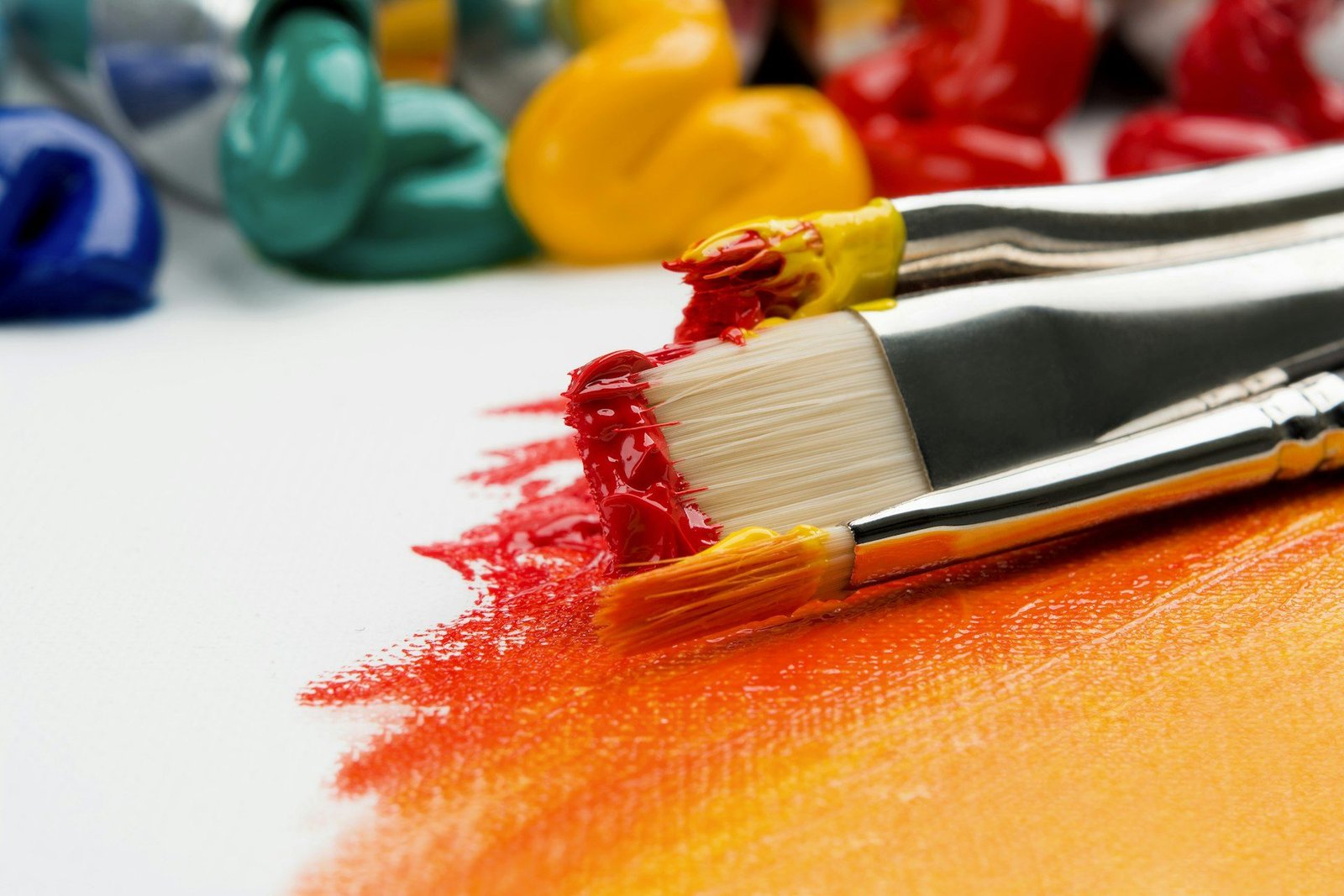
Learning how to illustrate a children's book starts with a simple choice: will you draw the pictures yourself, or hire a children's book illustrator to do it for you? Either way, the pictures are not decoration. In a picture book, the illustrations carry half the story — they show the characters, the setting and the feelings that the words only hint at. A child who cannot read yet still understands the story through the pictures. That is why getting the illustrations right matters so much, and why so many first-time authors feel stuck at this step. This guide walks you through the whole process: what an illustrator does, the main children's book illustration styles, how to find the right illustrator, what it costs, and how the finished book gets printed and published.
What Does a Children's Book Illustrator Do?
A children's book illustrator does far more than draw pretty pictures. The illustrator designs the characters — how they look, how they move, how they feel — and keeps them consistent from the first page to the last. They plan the layout of every page, deciding what the reader sees first and where the text sits. They choose the colours and the mood, so a funny story feels bright and playful while a bedtime story feels soft and calm. In a picture book for young children, the illustrations often tell parts of the story that the text never mentions. A good illustrator also thinks about the cover, because the cover is what makes a parent or a child pick the book up in the first place. If you are the author, you do not need to draw anything yourself. Your job is the story. The illustrator's job is to turn that story into pictures a child will love.
Children's Book Illustration Styles
There is no single right style for a children's book. The main children's book illustration styles each create a different feeling. Watercolour gives a soft, classic look that suits gentle bedtime stories. Digital illustration is clean and bright, and it works well for funny, modern stories. Collage and mixed media add texture and a handmade feel. Pencil and ink drawings feel warm and personal, while bold cartoon styles suit humour and adventure. The style you choose should match your story and your readers. A book for two-year-olds needs big, simple shapes and strong colours. A book for seven-year-olds can handle more detail and a more complex style. Look at the books your readers already love and notice what the pictures have in common. Then choose a style that fits your story, not just the style you like most. Your illustrator can help you decide — show them books you admire and tell them what feeling you want the pictures to create.
How to Find a Children's Book Illustrator
Finding the right illustrator takes time, but it is worth doing properly. Start by looking at portfolios. Children's book illustrators show their work on their own websites, on Behance, on Instagram and in directories like the Society of Children's Book Writers and Illustrators. Look for an illustrator whose style fits your story and who has drawn characters and scenes like yours before. When you find someone you like, ask for a sample: one finished spread from your book, with your characters, so you can see how they work with your story. Talk about the practical details early. Agree on the number of illustrations, the number of revision rounds, the timeline and the price — in writing, before any drawing starts. Also agree on who owns the illustrations. In most cases, you pay the illustrator a fee and you own the pictures for your book. A professional illustrator will expect a written agreement and will be happy to provide one. If someone offers to illustrate your whole book for almost nothing, be careful. Good illustration takes weeks of skilled work, and a price that looks too good usually means rushed work or an illustrator who disappears halfway through.
How Much Does Children's Book Illustration Cost?
Children's book illustration is usually priced per spread or per book, and the price depends on the illustrator's experience, the style and the number of pages. A new illustrator may charge a few hundred dollars for a short picture book. An experienced illustrator with published books can charge several thousand dollars for the same book. A typical 32-page picture book has around 12 to 14 illustrated spreads, plus a cover. Some illustrators charge per illustration, others charge a flat fee for the whole book. Either way, get a written quote that lists exactly what is included: character design, the cover, revisions and the final files. Remember that the illustrations are the biggest cost of a picture book, and they are also the reason a child picks it up. A beautiful book sells. A book with weak pictures, no matter how good the story, struggles to find readers. Budget for illustration properly, and treat it as an investment in the book, not an extra.
Working With Your Illustrator: The Process
Once you hire an illustrator, the work usually follows a clear process. First comes the brief: you share your story, your characters and the feeling you want the book to have. The illustrator then creates character sketches — a few drawings of your main characters so you can agree on how they look. Next comes a storyboard: small rough drawings of every page, showing what happens on each spread and where the text goes. You approve the storyboard before any finished art begins, so there are no expensive surprises later. Then the illustrator creates the finished illustrations, usually a few spreads at a time, and you review each one. Most agreements include two or three rounds of revisions. Use them well: give clear, specific feedback instead of vague comments, and trust your illustrator's judgement on visual details. The whole process, from first sketch to finished art, usually takes two to four months for a picture book. Plan for that time, and do not rush the final pages. The illustrations are what your readers will remember.
Printing and Publishing Your Illustrated Book
An illustrated book needs to be printed well. Colour printing costs more than black and white, and the paper matters: thick, smooth paper makes colours look rich, while cheap paper makes them look dull. Choose a trim size that suits your illustrations — most picture books are square or landscape, so the pictures have room to breathe. Before you print, make sure your text is polished too. A beautiful book with errors in the text disappoints readers fast, so have the manuscript edited first — our book editing service covers line editing, copy editing and proofreading. When the book is ready, you can publish it in print and eBook through our book publishing service, which handles formatting, ISBN and distribution to the major platforms. An illustrated eBook works well too, as long as the pictures are high resolution and the layout is checked on a tablet before launch.
Your story deserves pictures that do it justice. Take the time to find the right illustrator, agree on the details in writing, and give the process the months it needs. The result is a book a child will ask for again and again — and that is the whole point. Ready to turn your illustrated manuscript into a finished book? Talk to our team about your project, and we will guide you from finished illustrations to a published book.